




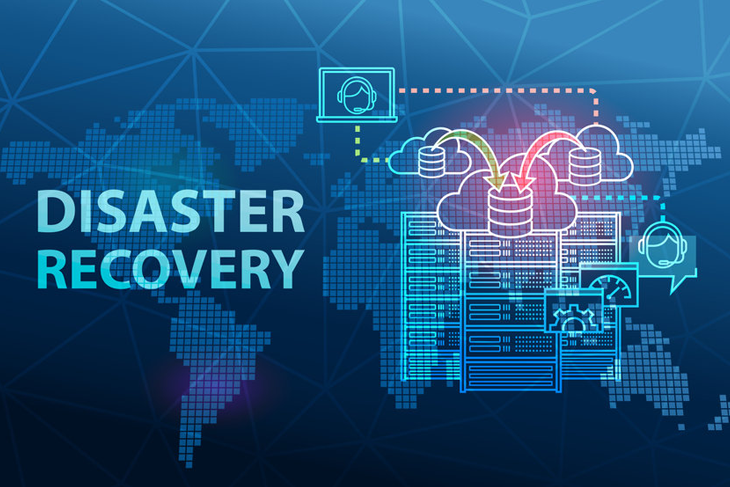

The Role of Cloud Hosting in Disaster Recovery Planning
In the ever-evolving digital landscape, businesses face unprecedented challenges that underscore the critical importance of disaster recovery planning. The potential risks, ranging from cyber threats to natural disasters, emphasize the need for resilient strategies. This blog explores how cloud hosting plays a pivotal role in enhancing disaster recovery planning, offering a secure and efficient solution for businesses of all sizes.
Understanding Disaster Recovery Planning
Disaster recovery planning involves strategies and processes to ensure the continuation of business operations in the face of unforeseen events. Traditionally, businesses relied on on-premises solutions, which often proved complex and expensive to maintain. The advent of cloud hosting has significantly transformed this landscape, providing a scalable and robust alternative.
The Evolution of Cloud Hosting
To comprehend the role of cloud hosting in disaster recovery, it’s essential to understand the evolution of cloud technology. Initially, cloud hosting emerged as a flexible and cost-effective solution for storing and accessing data. Over time, its capabilities expanded, making it an integral part of modern business operations.
Key Components of Disaster Recovery in the Cloud
Cloud hosting offers several key components that enhance disaster recovery efforts. One crucial aspect is data redundancy, where data is stored across multiple locations. This redundancy minimizes the risk of data loss in the event of a localized incident. Automated backups further contribute to a seamless recovery process, ensuring that critical data is consistently and automatically saved.
Geographical dispersion is another critical feature. By distributing data across various geographical locations, cloud hosting reduces the impact of regional disasters. This not only enhances data resilience but also ensures business continuity, regardless of the circumstances.
Advantages of Cloud-Based Disaster Recovery
The advantages of leveraging the cloud for disaster recovery are manifold. Scalability is a significant factor, allowing businesses to scale resources up or down based on their needs. This flexibility ensures that disaster recovery solutions can adapt to the evolving requirements of the business.
Cost-effectiveness is another compelling benefit. Unlike traditional disaster recovery solutions that often involve substantial upfront investments, cloud-based options operate on a pay-as-you-go model. This enables businesses to allocate resources efficiently and minimize unnecessary expenses.
Rapid deployment is a crucial advantage in times of crisis. Cloud-based disaster recovery solutions can be implemented swiftly, reducing downtime and ensuring that business operations resume promptly.
Real-Life Examples
Numerous businesses have successfully implemented cloud hosting for disaster recovery, demonstrating its efficacy in real-world scenarios. Companies that have embraced cloud solutions report faster recovery times, enhanced data security, and a more streamlined overall recovery process.
Best Practices for Implementing Cloud-Based Disaster Recovery
Implementing a cloud-based disaster recovery strategy requires careful planning and execution. Regular testing of disaster recovery plans is crucial to identify and address any potential issues. Continuous monitoring of cloud infrastructure ensures that any anomalies are detected and addressed promptly.
Collaboration with cloud service providers is also essential. Working closely with these providers ensures that businesses have access to the latest technologies and security measures, further enhancing the effectiveness of their disaster recovery plans.
Cloud Hosting Architecture and Resilience
To truly appreciate the role of cloud hosting in disaster recovery, it’s crucial to delve into its architecture. Cloud service providers offer a distributed and redundant infrastructure, spreading data across multiple servers and data centers. This not only ensures data redundancy but also significantly enhances system resilience. In the event of a server failure or data center outage, cloud hosting seamlessly redirects traffic to available servers, minimizing downtime.
Security Measures in Cloud-Based Disaster Recovery
Security is a paramount concern in disaster recovery planning. Cloud hosting providers prioritize security measures to safeguard data integrity and confidentiality. Encryption protocols, secure access controls, and regular security audits are standard practices. Businesses leveraging cloud-based disaster recovery can rest assured that their sensitive information is protected against potential threats, whether internal or external.
Hybrid Cloud Solutions for Versatility
While the advantages of public cloud hosting are evident, some businesses opt for hybrid cloud solutions for added versatility in disaster recovery. Hybrid clouds combine public and private cloud elements, allowing businesses to tailor their disaster recovery strategies. Critical applications and data can be stored in a private cloud for enhanced security, while less sensitive information can leverage the scalability of the public cloud.
Automation and Orchestration in Disaster Recovery
The efficiency of cloud-based disaster recovery is amplified by automation and orchestration. Automated failover processes, where systems switch seamlessly to backup servers in case of a disruption, minimize manual intervention and reduce recovery time. Orchestration tools coordinate these processes, ensuring a synchronized and well-organized response to any disaster scenario.
Cost-Effective Scalability
Scalability is not only advantageous in disaster recovery but also from a cost perspective. Businesses pay for the resources they use, making it a cost-effective solution compared to traditional disaster recovery setups. This pay-as-you-go model enables businesses to allocate resources based on their actual needs, preventing unnecessary expenditures on idle resources.
Regulatory Compliance and Cloud Hosting
For industries bound by regulatory compliance, cloud hosting providers often offer services that meet stringent standards. This is particularly important for businesses dealing with sensitive data, such as healthcare or finance. Cloud hosting solutions designed with compliance in mind provide the necessary infrastructure and safeguards to meet regulatory requirements, facilitating a smoother disaster recovery planning process.
Future Trends in Cloud-Based Disaster Recovery
As technology continues to advance, it’s essential to consider the future trends in cloud-based disaster recovery. The integration of artificial intelligence (AI) and machine learning (ML) into disaster recovery strategies is on the horizon. These technologies can enhance predictive analytics, enabling businesses to anticipate potential threats and proactively implement preventive measures.
Conclusion
In conclusion, the intersection of cloud hosting and disaster recovery planning opens a realm of possibilities for businesses seeking resilience in the face of unforeseen events. The combination of robust architecture, security measures, scalability, and emerging technologies positions cloud-based disaster recovery as a cornerstone of modern business continuity. As businesses evolve to meet the challenges of an ever-changing landscape, embracing the power of the cloud ensures not just recovery but a pathway to a more resilient and adaptive future.